Imbolc

Imbolc At a Glance
Pronounced: IM-bolk or Im-bole
Date: Around 1 August (Southern Hemisphere)
Season: Late winter, approaching spring
Wheel Position: Cross-quarter festival – one of the four seasonal or major Sabbats. Halfway between the Winter Solstice (Yule) and the Spring Equinox (Ostara)
Themes: Awakening, renewal, hope, preparation, cleansing, inspiration, creativity, new beginnings and the first stirrings of growth
Imbolc arrives at a subtle turning point in the year. Winter is still with us, but the darkness has begun to loosen its hold. The days have been lengthening since Yule and, little by little, there is a sense that the season is beginning to shift.
This is not quite spring. Imbolc belongs to that in-between time when much of the natural world still appears quiet, yet change is already underway. Beneath the soil, within trees and plants and in the changing patterns of light, the next season is beginning to gather momentum.
Where Yule asks us to rest within the darkness and welcome the first return of the light, Imbolc carries a little more movement. It is a time for waking up gently, clearing away what has become stagnant and beginning to prepare for what we would like to grow in the months ahead.
There is a strong sense of renewal around Imbolc. Traditionally associated with hearth fire, purification and the beginnings of new life, it sits beautifully between the inwardness of winter and the more obvious growth and activity that will come with spring.
Imbolc can also be a creative season. Ideas that have been sitting quietly may begin to feel possible again. Plans can be taken down from the shelf, homes refreshed, neglected projects revisited and intentions given their first small steps towards becoming something real.
Rather than rushing towards spring, Imbolc invites us to notice the beginning of the transition. The year is waking gradually, and we can begin to wake with it.
Imbolc In the Southern Hemisphere
In the Southern Hemisphere, Ostara falls around 22–23 September, at the Spring Equinox. By this point, winter has given way to spring and the year is moving towards its warmer, brighter half.
Across Australia, September can be an interesting month. In the cooler southern regions, mornings may still carry a winter chill even as the afternoons become noticeably warmer. In subtropical and tropical areas, the change can feel quite different, with warmth returning quickly and the dry season beginning its transition towards the hotter, wetter months. Spring here is wonderfully varied.
The Equinox itself gives us a shared point on the Wheel. The sun crosses the celestial equator and day and night are approximately equal in length. From here, daylight continues to increase until we reach the Summer Solstice in December.
Celebrating Ostara here means allowing our surroundings to shape the festival. European spring flowers and traditional symbols can still have a place if they hold meaning for us, alongside the colours, plants, foods and natural rhythms of an Australian spring. What belongs on an Ostara table or altar in Tasmania may look quite different from one in Queensland or the Top End.
There is something lovely about that. The Wheel gives us the seasonal point, but the landscape gives it character. Ostara can look like cool spring mornings and blossoming gardens, dry bushland beginning to change, warm afternoons spent outside or whatever September happens to bring to the place we call home.
At its heart, celebrating the Spring Equinox in the Southern Hemisphere means meeting spring where we are, rather than deciding beforehand what it is supposed to look like.
The Story of Imbolc
Imbolc is one of the four traditional Gaelic seasonal festivals, alongside Beltane, Lughnasadh and Samhain. Traditionally observed at the beginning of February in Ireland, it marked the beginning of spring and a significant turning point in the agricultural year. On the modern Wheel of the Year, it sits approximately halfway between the Winter Solstice and the Spring Equinox.
Its origins reach back into pre-Christian Ireland, although much of what we know about the festival comes from medieval Irish literature and later folklore rather than detailed accounts of ancient celebrations. This means we cannot know precisely how the earliest communities observed Imbolc, or how much those customs changed over the centuries. What does emerge clearly is a festival closely connected with the changing season, livestock, the household and the first promise of spring.
For communities living closely with the land, this was an important threshold. Winter was not necessarily over — stores could be running low and difficult weather could still lie ahead — but the days were becoming noticeably longer and the agricultural year was beginning to stir. The beginning of the lambing season and the return of milk from ewes became particularly significant signs of renewal and sustenance.
The name Imbolc itself has been interpreted in several ways. It is often associated with the Old Irish imbolg, usually translated as “in the belly” and linked with the pregnancy of ewes. Another proposed connection is with an older term relating to washing or purification. The exact origin remains debated, so the familiar “in the belly” explanation is better understood as one interpretation rather than a certainty.
Central to the traditions surrounding Imbolc is Brigid, one of the most important figures in Irish tradition. The pre-Christian goddess Brigid is associated in medieval Irish sources with poetry, healing and smithcraft, while later folklore and modern Pagan traditions have connected her more broadly with fire, the hearth, fertility, protection and inspiration.
Brigid’s connection with fire is especially fitting at this point in the seasonal cycle. The strengthening light of the sun, the warmth of the hearth and the spark of creativity all became powerful ways of understanding a festival that stands between the stillness of winter and the activity of spring.
With the spread of Christianity through Ireland, traditions associated with the goddess Brigid became intertwined with those surrounding Saint Brigid of Kildare, whose feast day is 1 February. Exactly how the goddess and saint are historically connected is difficult to untangle, but customs associated with Saint Brigid’s Day preserved many distinctly seasonal elements.
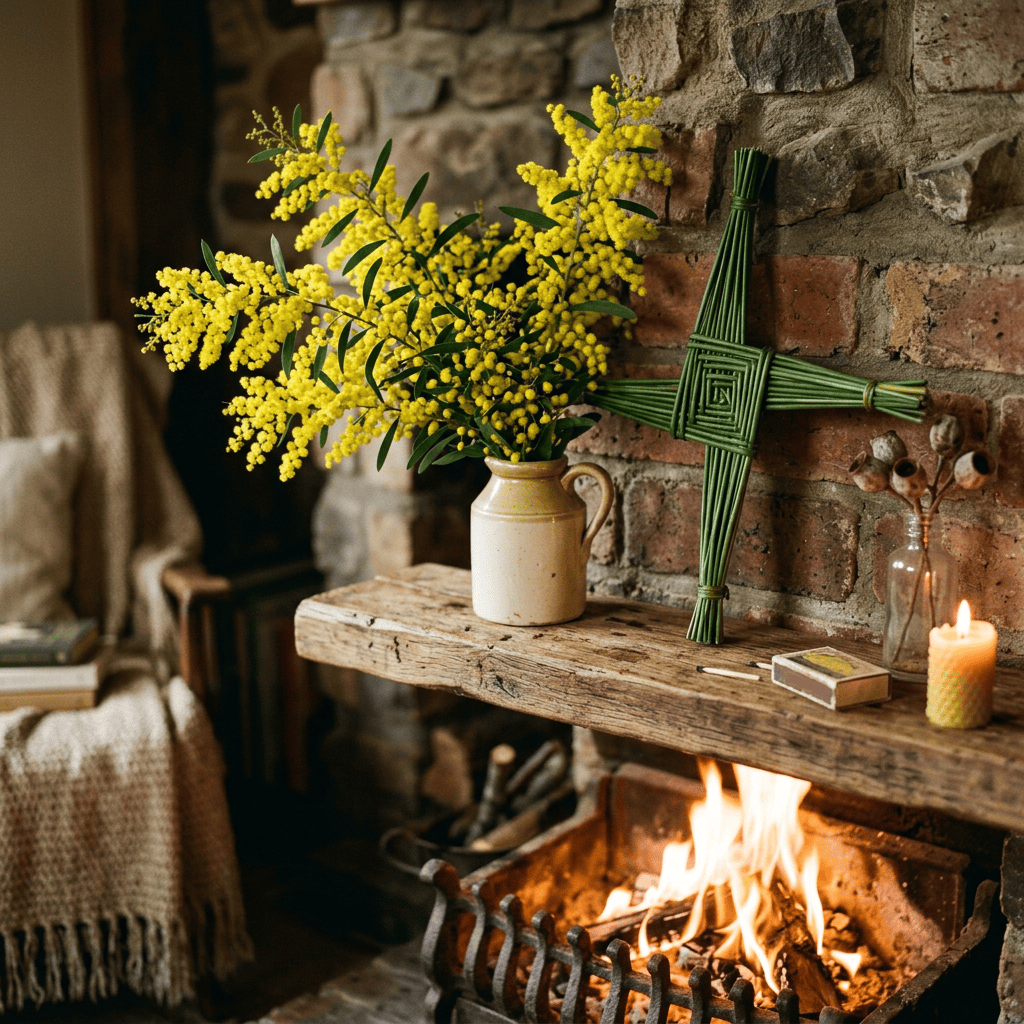
One of the best known is the making of Brigid’s crosses, traditionally woven from rushes or straw and placed in the home for protection. Other customs included preparing a place for Brigid to visit, leaving cloth or ribbons outside overnight to receive her blessing, visiting holy wells and sharing food. Fire, water, healing, hospitality and protection all became woven through the traditions of the season.
Like the other festivals on the modern Wheel of the Year, the Imbolc celebrated by many Pagans today is not an unchanged ancient festival handed directly down through thousands of years. The eight-Sabbat Wheel developed during the twentieth century, bringing several different seasonal traditions together into the cycle now familiar in modern Paganism.
Within that Wheel, Imbolc has become a celebration of renewal, purification, inspiration and beginnings. Candles represent the strengthening light. Cleaning and clearing the home echoes ideas of purification and preparation. Seeds and emerging plants represent potential, while creative practices honour the inspiration so strongly associated with Brigid.
For those of us in the Southern Hemisphere, the seasonal celebration is moved to around 1 August, while Saint Brigid’s feast day remains 1 February. This allows Imbolc to retain its place in the seasonal Wheel — between our Winter Solstice and Spring Equinox — rather than occurring during the height of summer.
Perhaps the enduring beauty of Imbolc lies in the fact that it celebrates beginnings before they are fully visible. Winter has not disappeared. Spring has not completely arrived. Yet the days are longer, the light is stronger and small signs of change are beginning to appear.
Imbolc stands at that threshold: the season is still cold, but something beneath the surface has begun to wake.
What We Notice Here
By Imbolc, the change in the season is beginning to feel more noticeable. Winter is still with us, particularly in the cool mornings and evenings, but the days are stretching out again. The sun is setting a little later, the afternoon light feels different, and there is a sense that the stillest part of winter has passed.
Here in Southeast Queensland, this seasonal shift can be quite different from the traditional imagery associated with Imbolc. We are unlikely to be watching for lambing season or the first plants pushing through frozen ground. Instead, our signs of approaching spring are found in the landscape that actually surrounds us.
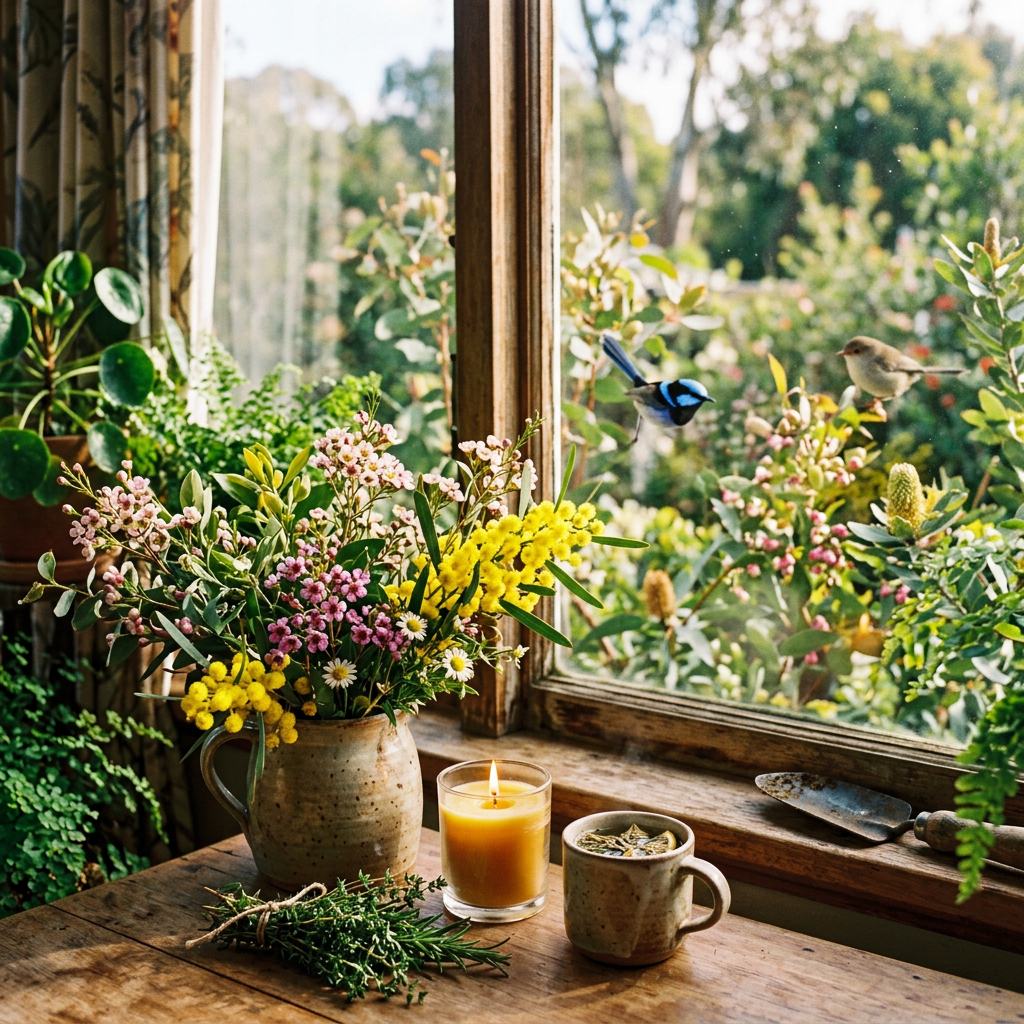
One of the most beautiful is the flowering of the wattles. Across winter and into early spring, different species begin producing their brilliant yellow flowers, bringing sudden splashes of colour to bushland, roadsides and gardens. Other native plants are flowering too, providing nectar and attracting birds, bees and other insects.
Birdlife can become increasingly noticeable. Mornings begin to sound busier, particularly around flowering trees and shrubs, and the activity in the garden slowly changes. Bees and other insects become easier to spot as warmer days encourage them out among the flowers.
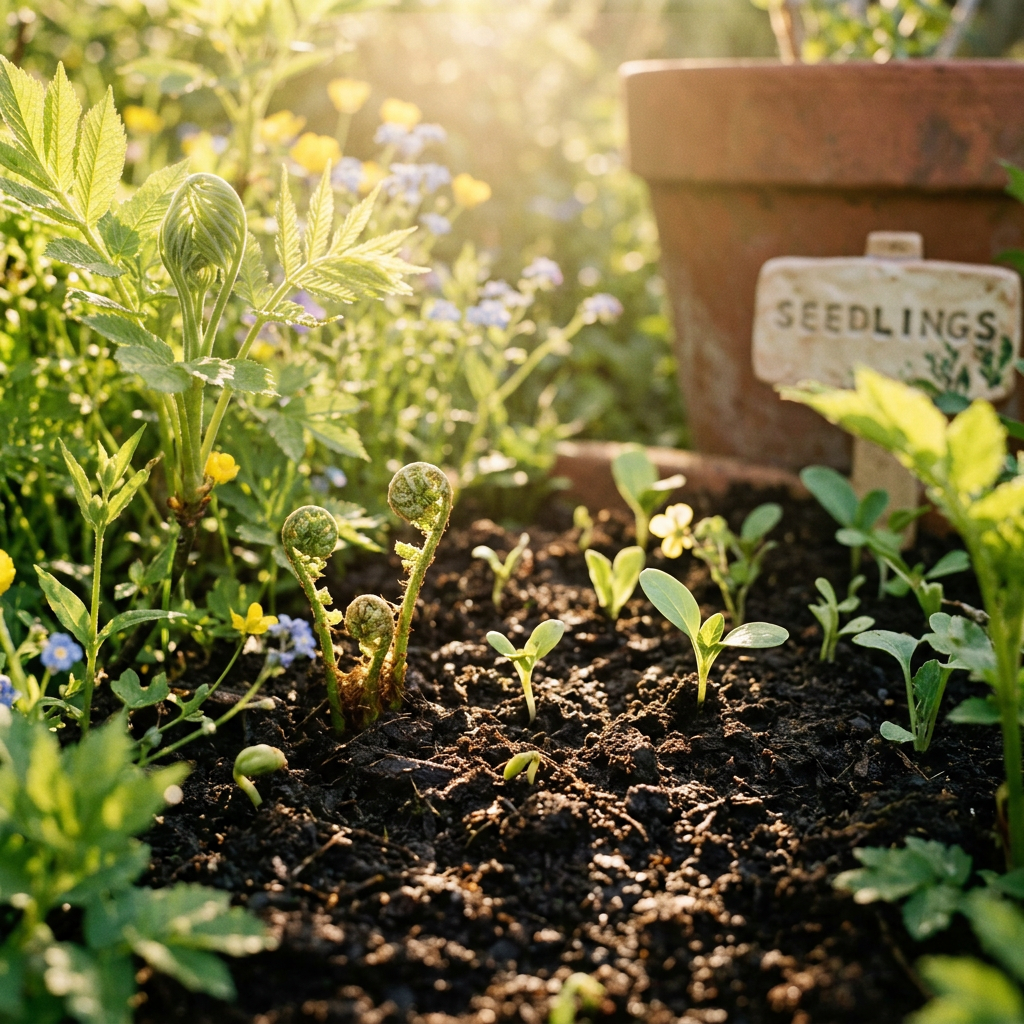
Our gardens begin showing their own small signs of movement. New buds appear, herbs and vegetables put on fresh growth and plants that seemed to pause during the cooler months begin responding to the increasing warmth and daylight. It isn’t the full rush of spring yet, but there are little signs everywhere that things are beginning again.
The weather itself often carries this sense of being between seasons. Mornings can still be surprisingly chilly, while the afternoon becomes warm enough to shed a jumper and sit comfortably outside. Clear blue winter skies, dry days and cool nights can sit alongside the first genuinely warm afternoons, reminding us that seasonal boundaries are rarely neat.
This is also a time when we may notice a change inside the home. The instinct to close everything up against winter begins to ease. Windows and doors are opened on warmer days, washing dries more quickly in the sun, and we may find ourselves wanting to clean, clear cupboards, work in the garden or freshen spaces that have felt closed in through winter.
That urge fits Imbolc particularly well. Traditional themes of cleansing and preparation don’t have to remain symbolic. They can be found in the very ordinary desire to throw open a window, clear away clutter, tend the garden and prepare ourselves and our homes for the more active months ahead.
Imbolc is also a lovely time to deliberately notice the returning light. Watch where the afternoon sun reaches now compared with the Winter Solstice. Notice how much later dusk arrives, what is flowering on your usual walk, which birds you hear in the morning and what has changed in your own garden.
These observations connect us to the Wheel far more naturally than trying to reproduce the signs of an Irish spring. The old festival may have been shaped by ewes coming into milk and the agricultural rhythms of another landscape, but its central experience — noticing that winter is beginning to loosen its hold — is something we can recognise here too.
This is our Imbolc: golden wattles, cool mornings and warmer afternoons, lengthening days, busy birds, new buds and that first quiet feeling that the season is beginning to turn.

Themes of the Season
Imbolc carries themes of hope, renewal, inspiration, preparation, gentle growth and returning light. Winter has not entirely released its hold, but the season is changing. Unlike Yule, when the return of the light has only just begun, by Imbolc we can see more evidence that the Wheel is moving towards spring.
Hope
Imbolc has long been associated with the first signs that winter will eventually pass. Traditionally, these signs were closely tied to the agricultural year; here, we might see them in flowering wattles, new growth, warmer afternoons and the steadily lengthening days. Hope at Imbolc is grounded in these small signs of change — evidence that something new can begin before the old season has completely ended.
Renewal
Renewal at Imbolc has a fresher, more active quality than the quiet renewal of Yule. This is the point where we begin emerging from winter rather than simply resting within it. Opening the windows, clearing accumulated clutter, tending neglected spaces and refreshing the home all reflect the movement of the season. It is a chance to make room for what we want to welcome as spring approaches.
Inspiration
Imbolc’s connection with Brigid gives inspiration a special place within the season. In Irish tradition, Brigid became associated with poetry, healing, smithcraft, the hearth and other forms of skilled and creative work. For a modern Imbolc, this can be a time to return to creativity, pick up an abandoned project, learn something new or pay attention to ideas that have been quietly forming during winter.
Preparation
Imbolc sits between the deep rest of winter and the greater activity of spring, making preparation one of its strongest themes. In the garden, this might mean planning, pruning, preparing beds or deciding what will be planted in the coming months. In our own lives, it can mean putting foundations in place for something we want to grow. Imbolc reminds us that beginnings often involve preparation long before anything is ready to bloom.
Cleansing and Clearing
Cleansing is traditionally associated with Imbolc and fits naturally with this point in the seasonal cycle. As the days become brighter, we begin to notice what has accumulated through winter. Cleaning the home, washing bedding, clearing cupboards, refreshing an altar or simply letting fresh air move through the house can become practical expressions of the season. On a personal level, it can also be a time to reconsider habits, commitments or patterns we no longer want to carry forward.
Gentle Growth
The growth associated with Imbolc is still young. Buds are appearing, flowers are beginning to open and the landscape is responding to increasing light, but spring has not yet reached its full abundance. Imbolc reflects this early stage of growth. Plans do not need to be complete and intentions do not need to become immediate action. Some things simply need time, attention and the right conditions in which to develop.
Hearth and Home
The hearth has a particularly strong connection with Imbolc through Brigid and the traditions that developed around her. Fire represents warmth, protection, creativity and the returning strength of the sun, while the hearth represents the home and the life held within it. Even without a literal fireplace, cooking, lighting candles, caring for the home and sharing food can carry this theme into everyday life.
Returning Light
At Yule, the returning light is a promise. By Imbolc, it has become something we can more readily experience. The days are noticeably longer than they were at the Winter Solstice, evenings arrive later and the growing strength of the sun begins to influence the world around us. Light at Imbolc represents awakening, clarity, inspiration and the gradual return of energy after winter.
Together, these themes place Imbolc firmly between winter and spring. It is not yet the season of full growth and abundance. It is the first stirring — a time to clear, prepare, create and notice what is beginning to awaken, both around us and within our own lives.
Seasonal Invitation
Imbolc invites us to begin stirring again.
Winter is still with us, but something has shifted. The days are longer, the light feels different and small signs of new growth are beginning to appear. After the quieter inward season of Yule, Imbolc gently turns our attention towards what might come next.
This is a good time to bring a little freshness back into everyday life. Open the windows on a warm afternoon. Clear out a cupboard that has been bothering you. Wash the blankets, move things around, bring flowers or greenery inside, tidy the garden or finally deal with one of those small jobs that has been waiting through winter. Not because everything needs a grand spring clean, but because making physical space can change the way a home feels.
There is room for creative energy here too. Return to something you once enjoyed making. Pull out the paints, wool, sewing basket, garden tools or notebook. Cook something you have never tried before. Learn something simply because it interests you. Imbolc has a long association with Brigid and creativity, and this part of the Wheel can be a lovely time to follow an idea simply to see where it leads.
It is also a season for tending what is not quite ready yet. Some plans need more thought. Some changes need preparation. Some ideas are only just beginning to take shape. Rather than demanding immediate results, we can give those beginnings the same care we would give a newly planted seed — attention, patience and enough room to grow.
And while Imbolc looks towards spring, there is no need to pretend winter has disappeared. We can still enjoy slow evenings, warm meals, blankets and quiet weekends while also welcoming the brighter afternoons and first signs of the season ahead. Both can belong here.
So rather than asking what you should do for Imbolc, begin by looking around you:
What is beginning to stir?
Notice the changes outside. Notice what you feel drawn towards. Clear a little space. Follow an idea. Tend something you would like to see grow.
Imbolc is the season of the first spark — and sometimes that is all a beginning needs.
Imbolc Correspondences
These correspondences bring together traditional Imbolc associations with some Australian alternatives that reflect the plants, colours and seasonal changes we may actually encounter at this time of year.
Colours & Candles
White — purification, clarity, peace and new beginnings
Cream or Ivory — nourishment, warmth, simplicity and the hearth
Yellow — sunlight, optimism, inspiration and awakening
Gold — fire, solar energy, confidence and strengthening light
Pale Green — new growth, renewal and emerging life
Silver — winter light, intuition and reflection
Soft Pink — gentleness, hope, affection and healing
Red — fire, vitality, courage and Brigid’s sacred flame
For candles, white, cream, yellow, gold and red are particularly suited to Imbolc. White works beautifully for cleansing and new beginnings, yellow or gold for light and renewal, and red for Brigid, fire and the hearth.
Crystals & Stones
Clear Quartz — clarity, cleansing, intention and amplification
Amethyst — intuition, reflection, peace and spiritual awareness
Moonstone — renewal, cycles, intuition and new beginnings
Citrine — optimism, creativity, vitality and light
Carnelian — creativity, motivation, courage and fire
Garnet — warmth, protection, vitality and inner fire
Green Aventurine — growth, hope and fresh beginnings
Rose Quartz — gentleness, compassion and emotional healing
Traditional Herbs, Plants, Flowers & Trees
Snowdrop — hope, purity and emerging spring
Crocus — awakening, renewal and new life
Primrose — youth, hope and new beginnings
Birch — purification, renewal and fresh starts
Rowan — protection, inspiration and spiritual connection
Willow — intuition, healing and renewal
Oak — strength, endurance and wisdom
Blackberry — protection, abundance and resilience
Heather — protection, good fortune and healing
Rosemary — remembrance, cleansing and protection
Lavender — purification, peace and healing
Australian Herbs, Plants, Flowers & Trees
Wattle — optimism, resilience, renewal and golden solar energy
Grevillea — vitality, connection and resilience
Banksia — strength, regeneration and endurance
Bottlebrush — vitality, renewal and adaptability
Eucalyptus — cleansing, protection, healing and renewal
Tea Tree — cleansing, protection and restoration
Native Rosemary — cleansing, protection and remembrance
Native Violet — gentleness, renewal and quiet growth
Wattle is particularly lovely for an Australian Imbolc. Its brilliant yellow flowers naturally carry much of the symbolism traditionally associated with light, hope and the gradual awakening of the land.
Animals
Sheep and Lambs — nourishment, fertility and new life
Cows — nourishment, abundance and motherhood
Swans — transformation, grace and Brigid
Snakes — renewal, transformation and emergence
Bees — activity, community, abundance and pollination
Local birds, bees and other wildlife can also become part of our own seasonal correspondences. Paying attention to which creatures become more noticeable around Imbolc gives us associations that come directly from the landscape around us.
Essential Oils
Lavender — purification, calm and healing
Rosemary — clarity, remembrance and cleansing
Frankincense — reflection, grounding and spiritual practice
Cedarwood — grounding, stability and warmth
Lemon — freshness, cleansing and renewed energy
Sweet Orange — optimism, warmth and joy
Ginger — warmth, energy and motivation
Cinnamon — warmth, fire, abundance and vitality
Essential oils should always be used appropriately and diluted when required. Some oils are unsuitable for certain people, pets or methods of use, so check the safety information for the individual oil.
Food & Drinks
Milk and Dairy — nourishment and traditional Imbolc customs
Butter — abundance, nourishment and the hearth
Cheese — nourishment, prosperity and sharing
Oats — sustenance and abundance
Bread — nourishment, home and community
Seeds — potential and beginnings
Honey — sweetness, abundance and warmth
Citrus — brightness, freshness and vitality
Root Vegetables — grounding, nourishment and seasonal abundance
Herbal Teas — warmth and restoration
Symbols
Brigid’s Cross — Brigid, protection and blessing
Flame — inspiration, transformation and creativity
Candles — light, hope and illumination
The Hearth — home, warmth, nourishment and community
Sacred Wells — healing, purification and blessing
Seeds — potential, preparation and beginnings
Milk — nourishment and fertility
Spinning Wheel — creativity, craftsmanship and transformation
Sunrise — light, renewal and awakening
Broom — cleansing, clearing and preparation
Tarot
The Star — hope, renewal and inspiration
Ace of Wands — creative spark, energy and beginnings
The Empress — growth, nourishment and creativity
Temperance — patience, balance and gradual change
Page of Pentacles — learning, preparation and laying foundations
Eight of Pentacles — craftsmanship, practice and developing skills
The Sun — vitality, warmth and optimism
Moon Phases
Imbolc is not tied to a particular moon phase, but the moon occurring at the time can add another layer to personal ritual or reflection.
New Moon — beginnings, intentions and potential
Waxing Moon — growth, momentum and building energy
Full Moon — illumination, culmination and awareness
Waning Moon — release, cleansing and making space
Dark Moon — rest, reflection and preparation
Deities of Imbolc
Brigid
Brigid is the deity most strongly associated with Imbolc. An important goddess of pre-Christian Ireland, she is associated with poetry, healing, smithcraft, sacred fire, livestock and fertility. Traditions surrounding the goddess Brigid and later Saint Brigid became closely intertwined, and her connection with Imbolc remains central to many modern celebrations.
Áine
Áine is an Irish goddess associated with sovereignty, the land, fertility and the sun. Her historical festivals are more closely associated with summer, so her inclusion at Imbolc is better understood as a modern correspondence based on her solar associations.
Danu
Danu is commonly honoured in modern Pagan traditions as an ancestral or mother goddess associated with the land and the Tuatha Dé Danann. Very little historical information about her survives, and her connection with Imbolc is primarily modern.
Vesta
Vesta is the Roman goddess of the hearth and sacred flame. She has no historical connection with Imbolc, but some modern practitioners include her because her associations with hearth, home and tended flame complement the season.
Ways to Celebrate Imbolc
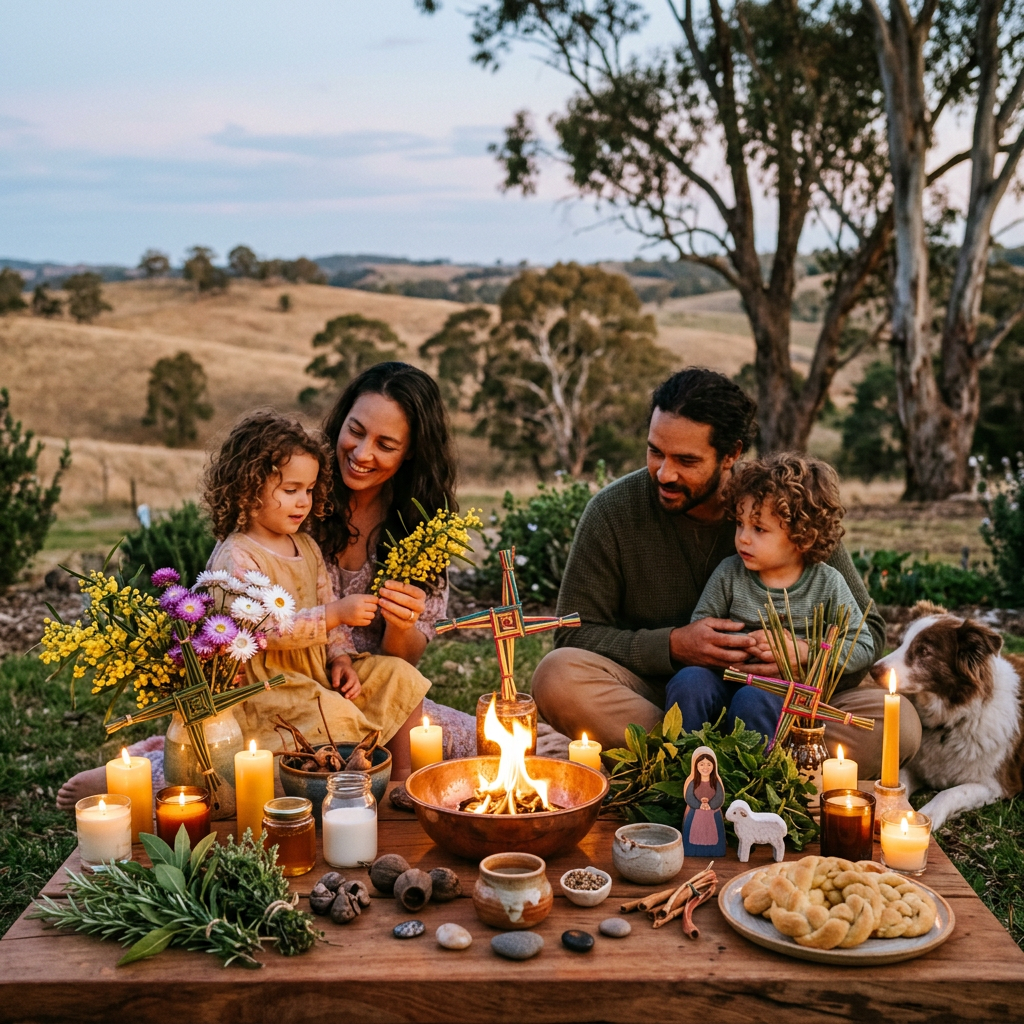
Imbolc arrives at the first stirring of spring, when the days begin to feel lighter and the natural world slowly starts waking again. It is a season of renewal, clearing away what has become stagnant and making space for new growth. Celebrating Imbolc can be gentle and practical, centred around freshening the home, noticing the first signs of spring and giving a little attention to what you would like to nurture in the months ahead.
Open the House to Fresh Air
Choose a bright morning to open the windows and let fresh air move through the house. Shake out blankets, open doors and allow the changing season to quite literally enter your home.
Notice the First Signs of Spring
Take a walk through the garden, neighbourhood or local park and look for the small changes beginning around you. New shoots, blossoms, birdsong, warmer afternoons and longer daylight hours are all part of Imbolc’s quiet shift toward spring.
Bring Fresh Flowers Indoors
Place a small bunch of early spring flowers or flowering branches somewhere you will see them often. They do not need to be elaborate — even a few stems from the garden can become a simple reminder that the season is beginning to change.
Refresh Your Front Entrance
Sweep the path, shake out the doormat, wipe down the front door and tidy the entrance to your home. Imbolc is closely connected with clearing and renewal, making the doorway a fitting place to begin.
Light a Candle for New Beginnings
Light a white, cream or pale yellow candle and spend a few quiet moments thinking about what you would like to begin, revive or give more attention to as spring approaches.
Start Something Small
Plant a few seeds, begin a new book, reorganise a neglected corner, return to a hobby or start a simple project you have been putting off. Imbolc is less about dramatic change and more about taking the first small step.
Prepare a Fresh Seasonal Meal
Celebrate the changing season with a lighter meal using fresh herbs, greens, dairy, eggs or early spring produce. A simple meal shared at the table can become an easy way to acknowledge Imbolc without needing a formal celebration.
Spend Time in the Garden
Pull a few weeds, prepare pots, prune where needed or simply sit outside and notice what is beginning to grow. Even if you do not have a garden, tending a few indoor plants or herbs can bring the same sense of renewal.
Clear One Neglected Space
Choose one drawer, cupboard, shelf or corner that has been bothering you and give it a proper clean-out. Imbolc is a natural time for removing what has become stale or unnecessary and creating room for something new.
Imbolc does not need to arrive with dramatic signs of spring. Much of its beauty lies in the small beginnings — the first warmer breeze, new growth appearing almost unnoticed and the feeling that the darker part of the year is beginning to loosen its hold. Celebrating Imbolc is simply a way of noticing that shift and welcoming the fresh energy that comes with it.ing the Season Home
There is no right or wrong way to decorate for Imbolc. Let nature be your guide and use what is available around you. A single vase of fresh flowers or a handful of wattle blossoms can be just as meaningful as an elaborate display.
Bringing the Season Home
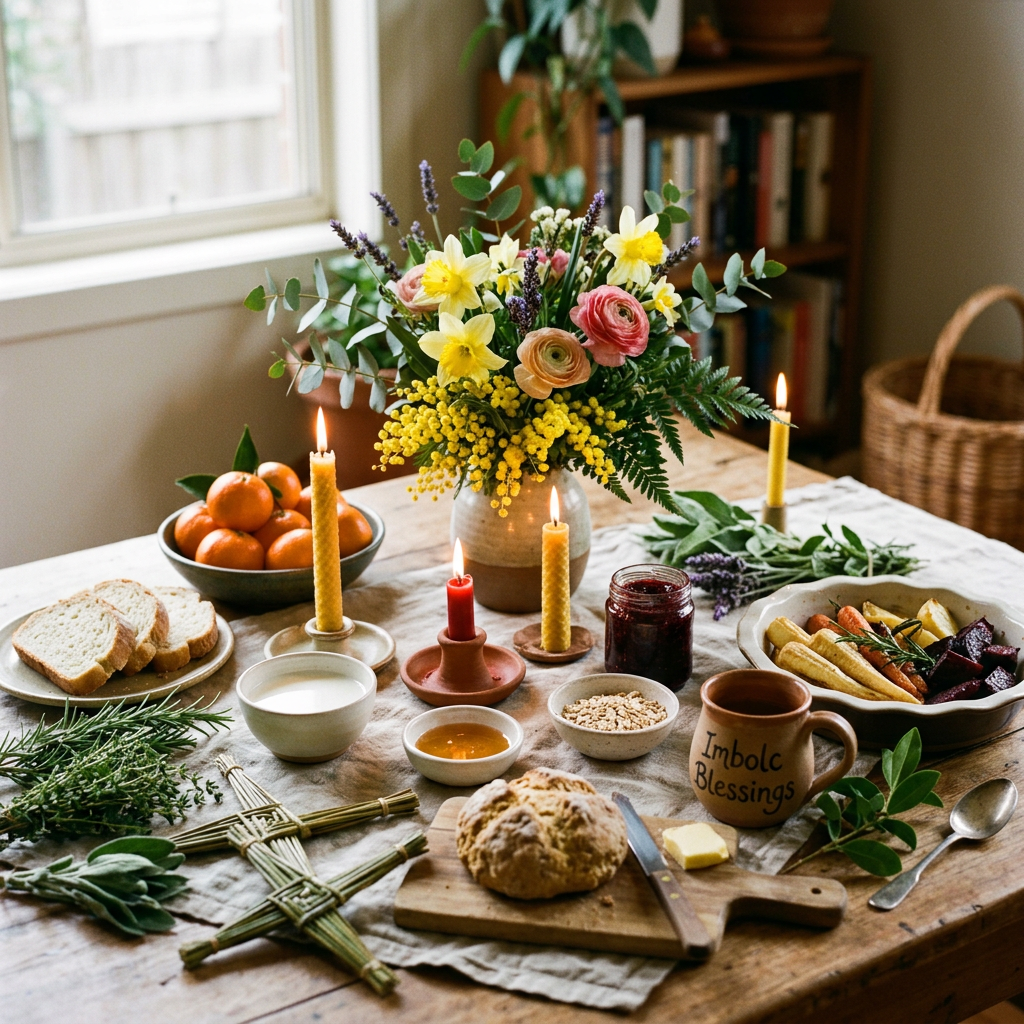
Imbolc is a lovely time to gently shift the home out of its winter mood and begin welcoming the first signs of spring. This does not mean a complete seasonal overhaul. Small changes in colour, light, scent, greenery and texture can make the home feel fresher, brighter and more connected to the season beginning outside.
Seasonal Displays
Create a simple Imbolc display on a table, shelf or sideboard using a few symbols of early spring. A white or pale-yellow candle, fresh flowers, greenery, a small bowl of seeds or a piece of clear quartz can be enough to give the space a seasonal focus.
Bring in flowers that reflect what is actually blooming around you. Early blossoms, flowering branches or a small bunch gathered from the garden can work beautifully, particularly when displayed in a simple jug, glass bottle or ceramic vase.
Include natural objects that suggest new growth and renewal. Seed pods, young leaves, fresh herbs, small branches, feathers or stones collected on a walk can all become part of an Imbolc display without making it feel overly decorated.
You can also include a small handmade element, such as a paper sun, woven Brigid’s cross, pressed flowers or a handwritten word representing something you would like to encourage during the coming season.
Creating a Seasonal Atmosphere
Begin by lightening the colours around the home. Soft white, cream, pale yellow, fresh green and gentle floral tones can replace some of the darker winter colours and immediately make a room feel more springlike.
Use natural light wherever possible. Open curtains earlier, clean windows, move furniture away from dark corners and allow sunlight to reach further into the room. Imbolc is strongly associated with returning light, so even small changes here can make a noticeable difference.
Fresh scents can also help signal the change of season. Lemon, rosemary, lavender, mint and other clean herbal or citrus scents work well at Imbolc and can be introduced through fresh plants, simmer pots, candles or simple homemade cleaning blends.
Change a few soft furnishings rather than redecorating the whole room. A lighter throw, fresh cushion covers, a new tablecloth or a simple floral tea towel can be enough to make a familiar space feel renewed.
Finally, let the house feel a little more open. Clear crowded surfaces, remove anything that feels heavy or stale and leave some empty space behind. Imbolc carries a sense of possibility, and creating physical room within the home can reflect that same feeling of something new beginning.
Seasonal Activities
Imbolc is a season of gentle movement, fresh energy and small beginnings. Seasonal activities at this time of year can reflect that sense of renewal through making, tending, sharing and spending more time noticing the first signs of spring. The focus can stay simple, with activities that feel fresh, useful and connected to the season.
Things to Make
- A Brigid’s cross from rushes, raffia or paper
- Pressed flower or botanical bookmarks
- A small spring wreath using greenery and early flowers
- Seed paper for planting intentions or messages
- A simple herb bundle using rosemary, lavender or mint
- Fresh flower posies for the table or bedside
- A homemade lemon or herb cleaning spray
- Decorated pots for spring herbs or seedlings
Things to Do
- Plant seeds or refresh a herb garden
- Take a walk to look for signs of new growth
- Open the windows and give one room a seasonal clean
- Spend some time weeding, pruning or preparing garden beds
- Rearrange a small space to make it feel lighter and fresher
- Visit a nursery or garden centre for spring inspiration
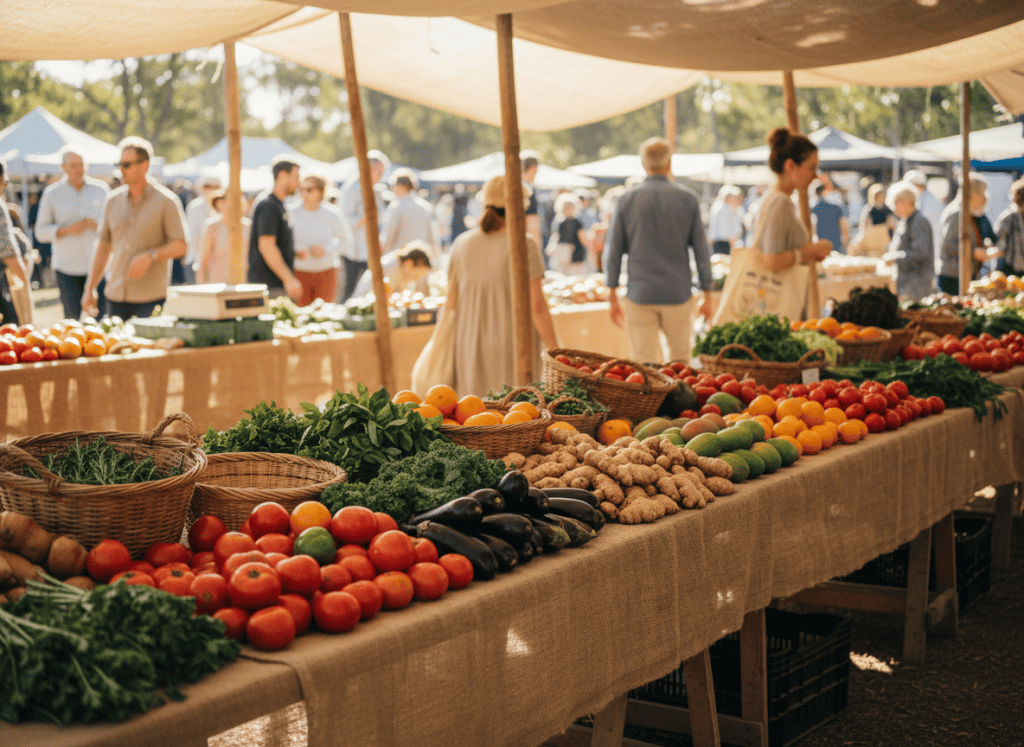
- Visit a fresh food market and support local growers
- Start a new creative project or return to one that has been neglected
- Watch the sunrise or spend a little time outdoors in the early morning light
Things to Share
- A bunch of flowers or greenery from the garden
- A packet of seeds with a handwritten note
- A small homemade spring treat
- A cutting or seedling from a favourite plant
- A jar of homemade cleaning spray or bath salts
- A handwritten note of encouragement for someone beginning something new
- A simple seasonal meal or morning tea
- A few flowers placed somewhere others can enjoy them
Imbolc activities do not need to be complicated to feel meaningful. Small acts of making, tending, sharing and noticing the changing season can be enough to mark the shift toward spring and bring a little more freshness and intention into everyday life.
Rituals & Seasonal Magic
Imbolc carries the energy of renewal, clearing and new beginnings. It is a natural time for simple seasonal magic focused on what is beginning to grow, both around you and within your own life.
A Simple Imbolc Candle Ritual
Choose a white, cream or pale yellow candle and place it somewhere quiet. Before lighting it, think about one thing you are ready to welcome into the coming season — a new habit, idea, opportunity, feeling or direction.
Light the candle and take a few moments to watch the flame. As it burns, imagine the returning light of spring gradually bringing warmth and movement back into the parts of your life that have felt still.
Say aloud:
“Light returns and new paths grow.
I welcome what is ready to begin.”
Sit with the candle for a few minutes, then extinguish it when you are ready.
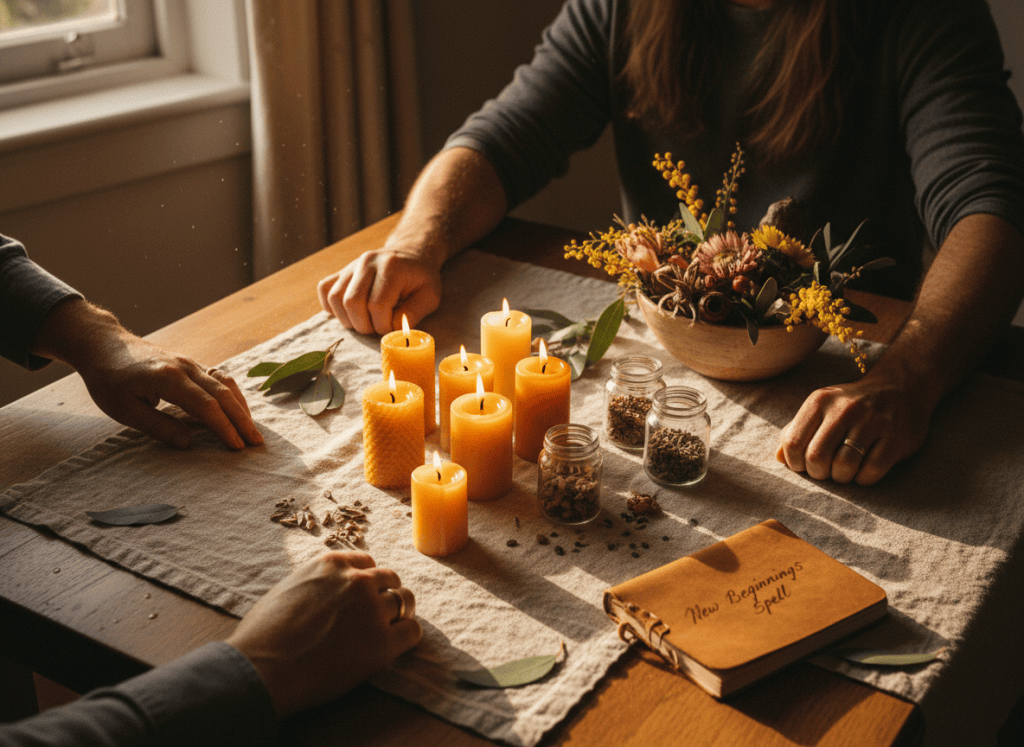
A Simple Spell for New Beginnings
You will need a small piece of paper, a pen and a seed.
Write down one thing you would like to begin or encourage during the coming season. Keep it clear and simple, such as starting a creative project, caring for your health, creating more time for yourself or learning something new.
Hold the seed in your hand and read your intention aloud. Fold the paper and place the seed on top of it for a few moments.
Say:
“As this seed wakes and reaches for the light,
may this new beginning grow with me.”
Plant the seed in a pot or garden bed and place the written intention somewhere safe. As the plant begins to grow, let it become a seasonal reminder of the intention you set at Imbolc.
Imbolc Reflections
Imbolc reminds us that the most meaningful growth often begins quietly. Before life becomes busy again, take a few moments to pause and reflect on where you are, what is changing, and what you hope to nurture in the season ahead. There are no right or wrong answers – simply be honest with yourself and allow your reflections to unfold naturally.
Journal Prompts
- What signs of new beginnings can I see in my life right now?
- What part of myself is ready to grow?
- What am I being called to create, learn or explore?
- What no longer serves me, and am I ready to let it go?
- How can I bring more light, hope or joy into my everyday life?
- What intention would I like to carry with me until the Spring Equinox?
- What am I grateful for as winter begins to soften?
Five-Card Imbolc Tarot Spread
- What is beginning to stir? Something new that is quietly emerging in your life.
- What am I ready to clear away? Something taking up space that you no longer need to carry forward.
- Where is my spark? An idea, interest or source of inspiration that wants your attention.
- What needs tending? Something that would benefit from patience, care and steady attention.
- What am I preparing for? Guidance for the growth, change or opportunity beginning to take shape.
Imbolc Blessings
May the returning light bring warmth to my heart,
clarity to my mind and hope to my spirit.

May I welcome new beginnings with courage,
nurture them with patience
and trust that every small step leads me toward growth.

May my home be filled with peace,
my hands with meaningful work
and my days with quiet moments of wonder.

So may it be.
As the light returns
may I choose my path with courage.
May I tend what truly matters with steady hands.
May I release the need to hurry.
May old sorrows become fertile ground rather than heavy burdens.
And may each small act of care become a promise
to the life now awakening within me.
Blessed Imbolc.
Seasonal Self Care
Imbolc reminds us that caring for ourselves is much like tending a garden. Growth doesn’t happen all at once – it begins with small acts of kindness, patience and intention. This season, choose one simple practice that helps you slow down, reconnect with yourself and welcome the returning light.
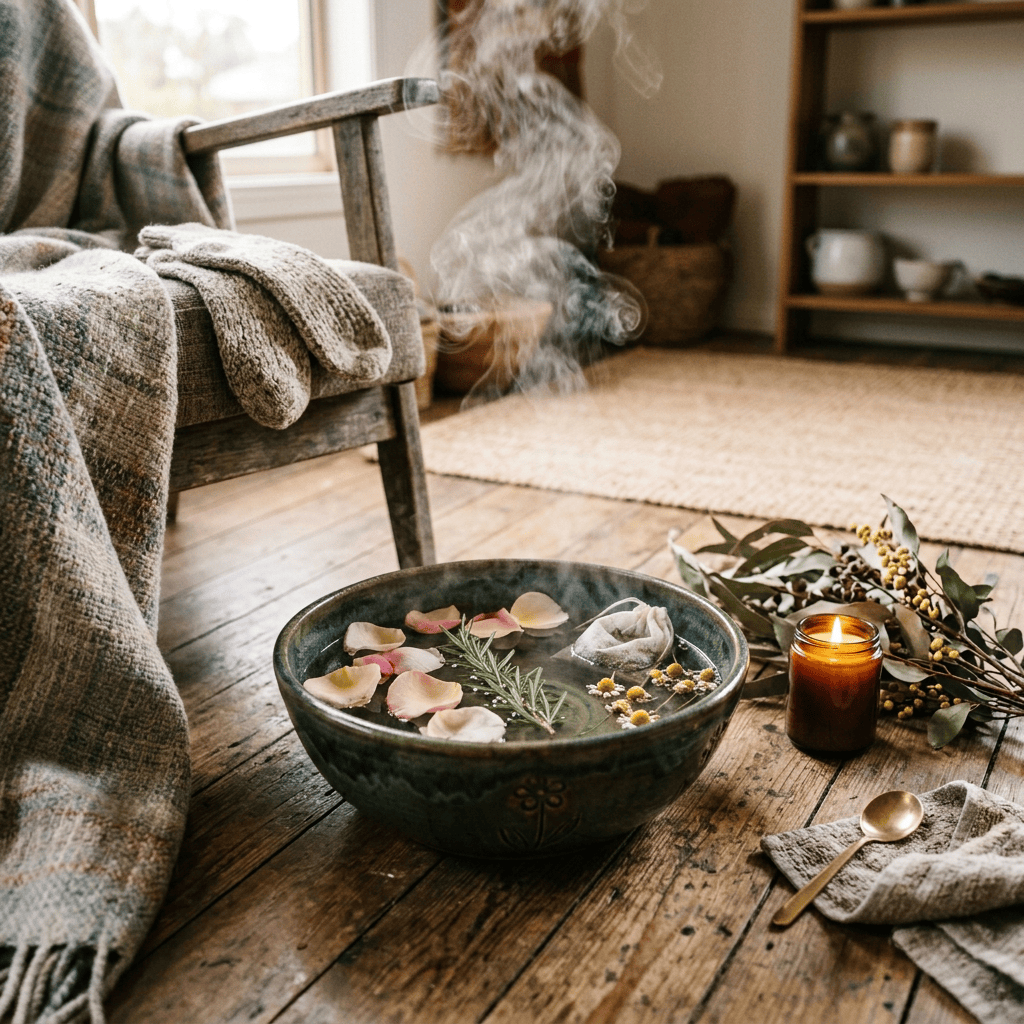
Imbolc Rosemary & Oat Foot Soak
After a long day, create a calming foot soak inspired by the gentle energy of Imbolc.
You’ll need:
- 1/2 cup rolled oats (placed in a muslin bag or clean sock)
- 2 tablespoons dried rosemary
- 1 tablespoon Epsom salts
- A few drops of lavender essential oil
- Warm water
Place ingredients into the warm water and allow them to infuse for a few minutes. Sit comfortably and soak your feet for 15-20 minutes.
While you soak, try putting your phone aside for a little while and let this be a genuinely quiet pause. Close your eyes with an eye mask, listen to a short meditation, read a few pages of a book, play soft music, or simply sit and enjoy the warmth. Choose something that helps you unwind without needing to scroll, respond or stay switched on.
When you’re finished, dry your feet gently, moisturise with your favourite cream or oil, and spend a few more quiet moments simply resting.
Practical Magic for the Season
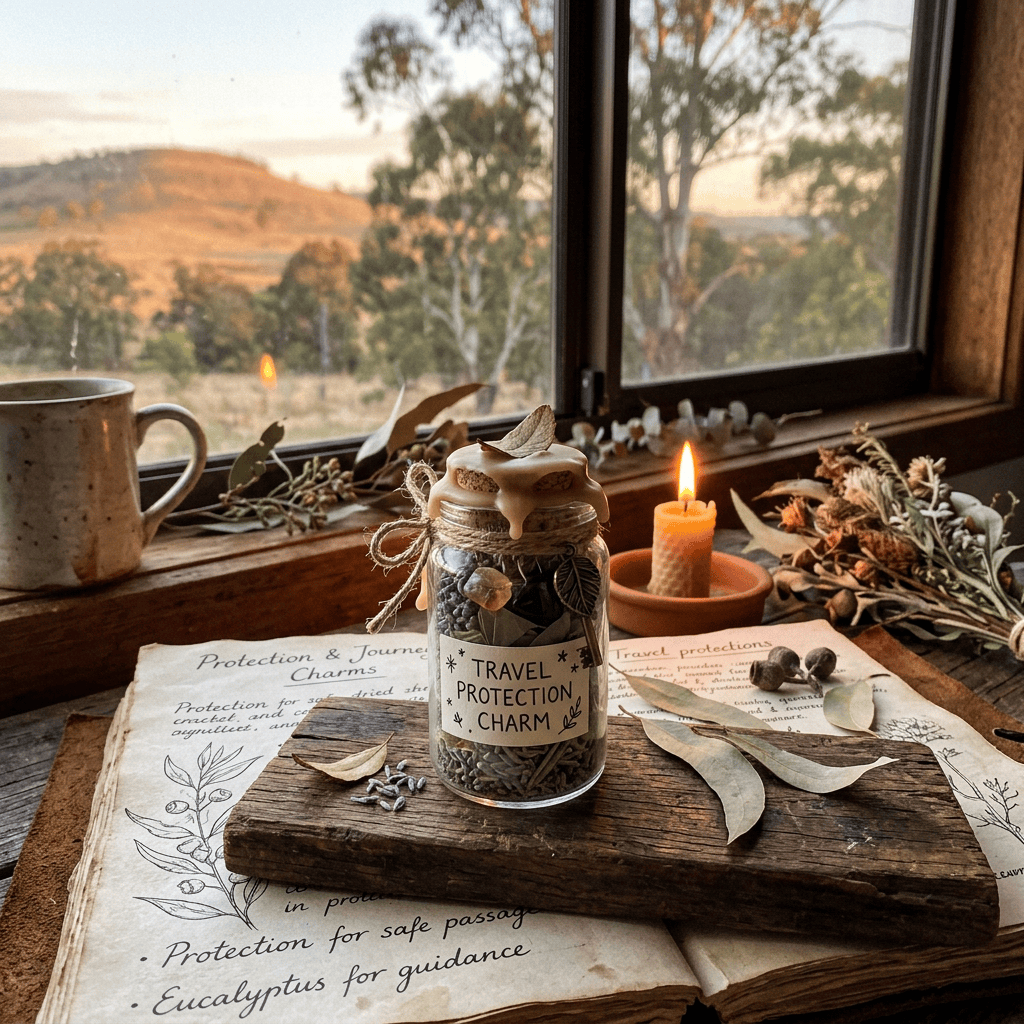
Imbolc Travel Protection Charm
A travel charm is a small reminder to journey with awareness, confidence and trust. Rather than relying on the charm itself for protection, it serves as a symbol of your intentions – encouraging calmness, mindfulness and gratitude each time you set out.
Created with love and purpose, this charm combines crystals, herbs and natural elements traditionally associated with protection, guidance and safe travel, while honouring a personal connection to the sea and the natural world.
“May every journey begin with intention, be guided with wisdom, and end with a safe return home”
Ingredients & Correspondences
CRYSTALS:
- Black Tourmaline: Protection, grounding, and shielding from unwanted energy
- Tiger’s Eye: Confidence, focus, courage and wise decision making
- Amethyst: Peace, intuition and calm travel
- Clear Quartz: Amplifies intention and harmonises the energies of the entire charm
NATURAL ELEMENTS:
- Copal Resin: Blessing, purification and sacred intention
- Juniper Berries: Protection and warding
- Mini Seashells: Home, safe return and a personal connection to water
HERBS & FLOWERS
- Rosemary: Safe journeys, protection and mental clarity
- Lavender: Peace, calm and emotional balance
- Mugwort: Traditional herb of travellers, guidance and intuition
- Sage: Cleansing, blessing and protection
- Chamomile: Comfort, good fortune and gentle protection
- Heather: Luck, resilience and safe passage
- Eucalyptus: Guidance, clear direction and protection
Creating Your Charm
As you add each ingredient to your bottle, pause for a moment and reflect on the quality it represents. Allow the process itself to become part of the magic, layering each element with mindful intention.
When complete, seal the cork with melted beeswax to protect the contents and symbolically seal your intention.
Place your charm somewhere secure in your vehicle where it won’t interfere with driving, such as the glovebox, centre console or safely as a decorative hanging.
Travel Blessing
May every road before me be open.
May my mind remain clear and
my heart stay calm.
May I travel with awareness,
kindness and courage.
May I be protected on every journey,
and may every road lead me
safely home.
So may it be.
Before setting off on a significant journey, take a quiet moment to hold your travel charm. Take three slow breaths, think of your destination, and repeat your travel blessing.
Each Imbolc, or whenever it feels right, refresh your charm with new herbs and renewed intentions, giving thanks for the journeys already taken and those still to come.
Small Imbolc Gift Idea
Put together a small seed-starting gift using a little pot, a packet of easy-to-grow seeds and a handwritten plant marker or tag. Herbs, flowers or edible greens all work well, particularly something that can be grown in a pot or on a sunny windowsill.
Imbolc is closely connected with the first signs of new growth, so giving someone something they can plant and tend through spring fits the season beautifully. You could finish it with a simple note such as, “A little something to grow with the season.”
An Imbolc Family Tradition
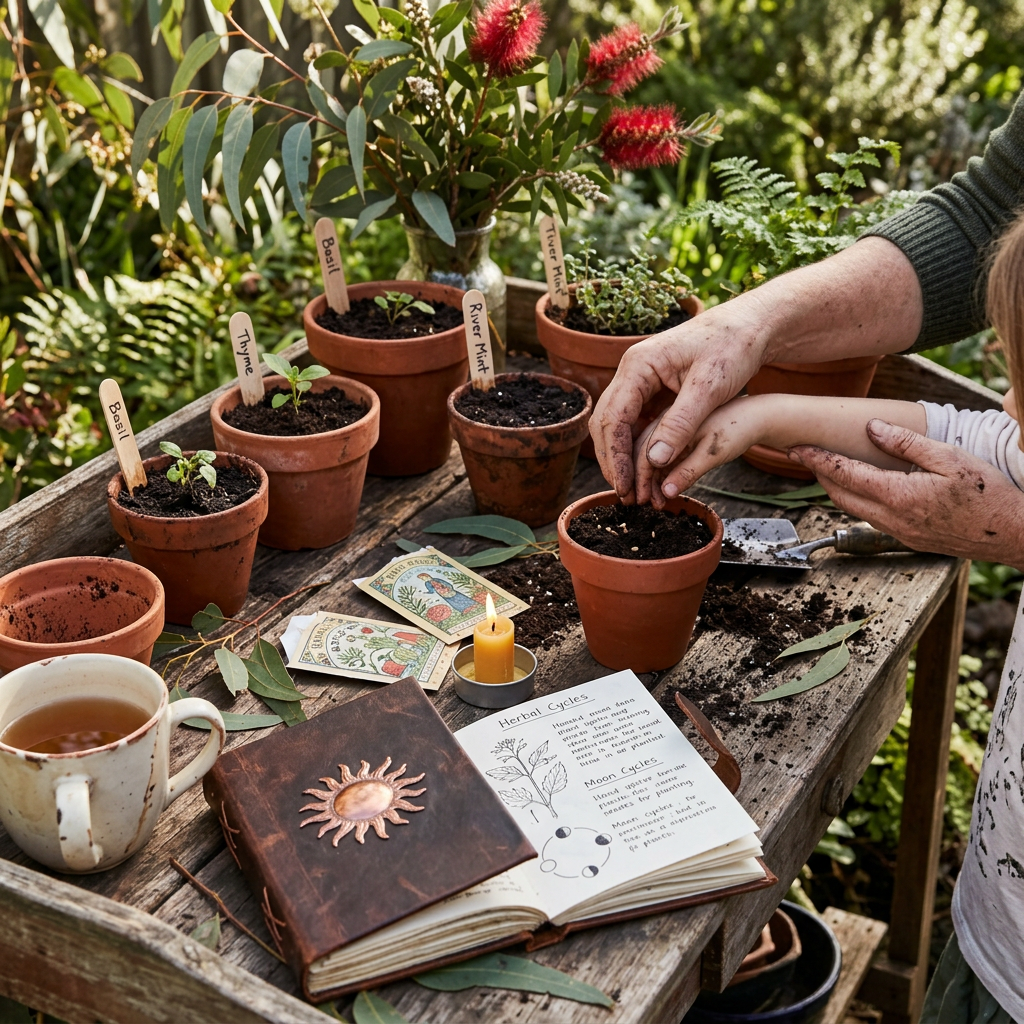
Choose one small pot, planter or garden space each Imbolc and plant something together as a family. It might be herbs, flowers, vegetables or a plant chosen especially for the year ahead.
Before planting, each person can name one thing they would like to grow, begin or encourage during the coming season. Write the year on a small plant marker and place it with the seeds or seedling.
Over the following weeks, caring for the plant becomes part of the tradition, linking Imbolc with the first visible growth of spring and giving the family something to look back on from year to year.
 The Wheel at Home