Indigo
The Energy of Indigo
Indigo sits between blue and violet, carrying the calm depth of blue with some of purple’s mystery and intuition. It is a dark, contemplative colour associated with insight, perception, intuition, inner wisdom and deep reflection.
Indigo also has a fascinating physical history. Natural indigo dye has been produced from plants in different parts of the world for thousands of years and became one of history’s most valuable and widely traded dyes. Its rich blue colour has appeared in textiles, clothing and traditional crafts across many cultures, each with its own practices and meanings.
In modern colour magic, indigo tends to turn our attention inward. Where blue is particularly useful for communication and purple for spiritual exploration and personal power, indigo is more closely connected with understanding what lies beneath the surface.
It suits questions that don’t have immediate answers and moments when we need to stop searching outside ourselves for someone else to tell us what we already suspect.
Indigo’s deeper qualities can also tip into withdrawal, overthinking or becoming so absorbed in the inner world that we lose sight of what is actually happening around us. It is a thoughtful colour, but thought eventually needs somewhere to go.
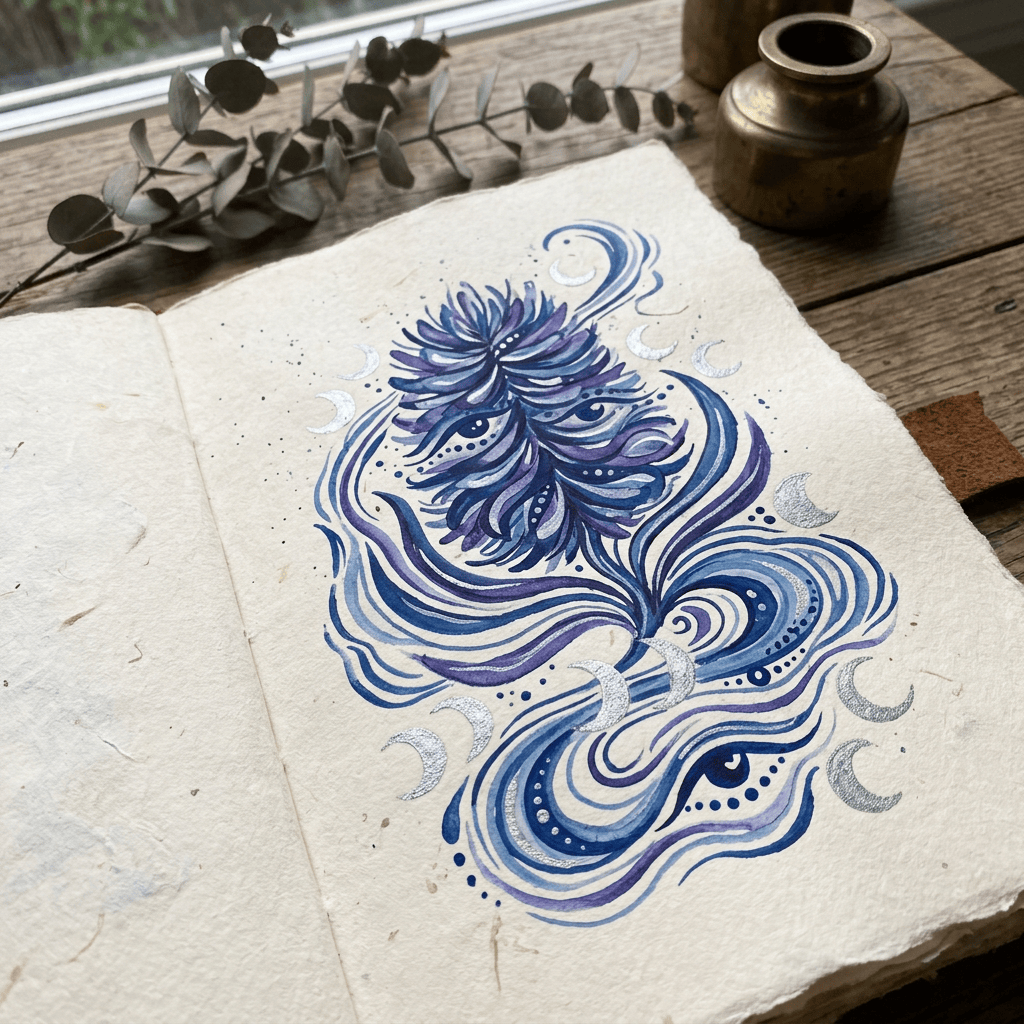
What Indigo Can Represent
Indigo is commonly associated with:
- Intuition
- Insight
- Perception
- Inner wisdom
- Reflection
- Self-awareness
- Discernment
- Truth
- Mystery
- Contemplation
- Imagination
- Dreams
- Spiritual awareness
- Deep thinking
- Understanding
- Observation
- Self-knowledge
- Introspection
Indigo carries an energy of seeing more deeply. It suits times when we need to look beyond our first reaction and understand what is really happening underneath it.
The Magic of Indigo
Indigo magic is particularly suited to intuition, insight, divination and deeper reflection.
It can be used before tarot or oracle readings when the intention is understanding rather than prediction. An indigo candle, cloth or notebook can become associated with asking better questions and paying attention to what comes up in response.
Indigo also works well with dream practices. Keeping an indigo notebook beside the bed, for example, can create a simple place for recording dreams before they disappear with the first cup of coffee.
For decision-making, indigo can represent discernment. It isn’t necessarily about choosing quickly. Instead, it can support the process of separating instinct from fear, assumptions from facts and our own opinions from those we’ve absorbed from other people.
Its connection with perception also makes indigo useful for self-reflection and personal growth, particularly when we’re ready to look at something a little more deeply than usual.
How Indigo Can Make Us Feel
Indigo tends to feel quiet, deep and contemplative.
Because it is darker than most blues, it can create a sense of stillness and enclosure. For some people, this feels peaceful and secure; for others, too much dark indigo may feel heavy.
Blue-leaning indigo can feel calm and thoughtful, while indigo approaching violet has a more mysterious and imaginative quality.
It can be particularly beautiful in low or evening light, when its depth becomes more noticeable.
As always, personal experience matters. One person’s deeply spiritual indigo may be another person’s favourite pair of jeans, and neither association is somehow more correct.
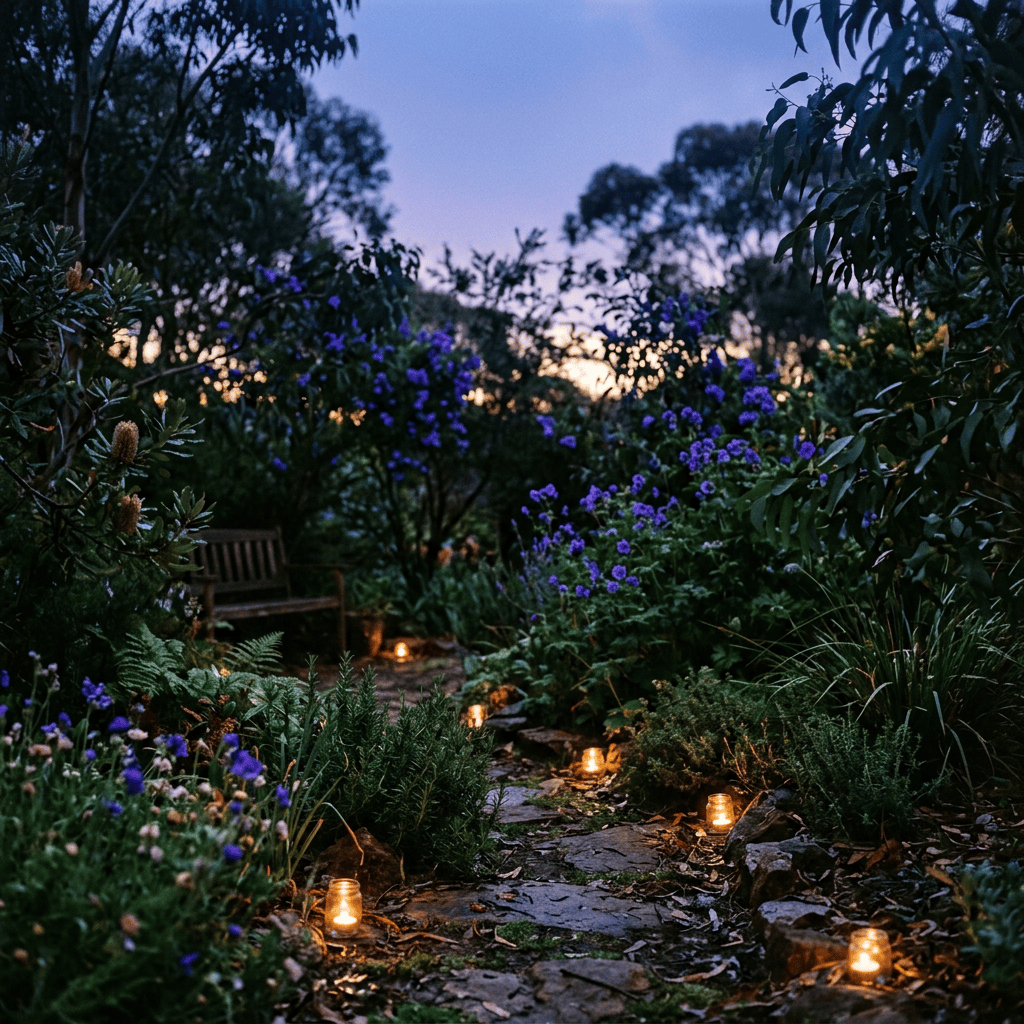
When to Wear Indigo
Wear indigo when you want to feel thoughtful, composed and connected with your own judgement.
It can be particularly suited to study, reflection, decision-making, spiritual practices or days when you want a quieter kind of confidence.
And indigo may already be one of the easiest magical colours in your wardrobe. Traditional indigo dye is famously associated with blue denim, which means a pair of jeans can work perfectly well without looking remotely witchy.
Indigo scarves, shirts, dresses, nail colour and jewellery can also bring in deeper shades.
Pairing indigo with silver can emphasise intuition and reflection, while indigo and yellow can bring together insight and mental clarity.
Bringing Indigo Into the Home
Indigo adds depth to a room and works particularly well in spaces intended for rest, reading or reflection.
Cushions, throws, bedding, ceramics and artwork can introduce it without making a room overly dark.
Indigo-dyed textiles can be especially beautiful, including fabrics made using traditional resist-dyeing techniques. When buying culturally specific textiles, it is worth appreciating where the technique comes from rather than treating every indigo pattern as interchangeable.
Indigo works beautifully with white, cream, timber, natural fibres and warmer metallics.
A small amount can also define a journalling, tarot or reading space without needing to redecorate the entire room.
Indigo in Everyday Magic
- Light an indigo candle before tarot, journalling or deeper reflection.
- Keep an indigo notebook beside the bed for recording dreams.
- Wear indigo when you need to trust your own judgement.
- Carry lapis lazuli or sodalite when working with insight and self-awareness.
- Use an indigo cloth beneath tarot or oracle cards.
- Write a question at the top of a page in indigo ink and journal without trying to edit the answer.
- Place something indigo near a reading chair or quiet space used for reflection.
- Pair indigo with silver for lunar or intuitive work.
- Use indigo when you need to understand a situation before deciding what to do about it.
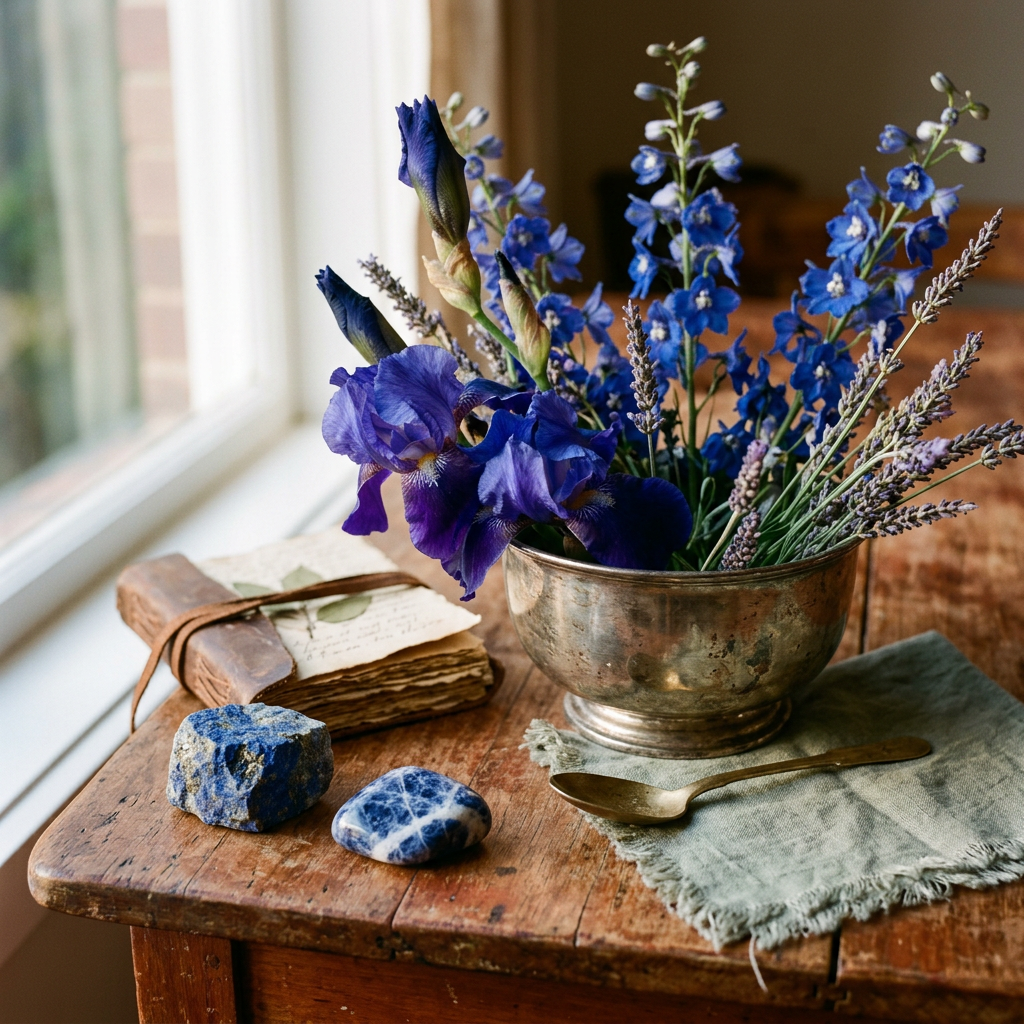
Indigo Correspondences
Magic: Intuition, insight, perception, wisdom, reflection, discernment, self-awareness, dreams and spiritual understanding
Candles: Intuition, divination, insight, dreams, reflection, wisdom, discernment and self-knowledge
Crystals: Lapis Lazuli, Sodalite, Azurite, Iolite, Blue Sapphire, Dumortierite
Flowers: Iris, Delphinium, Viola, Blue Salvia, Cornflower
Herbs & Plants: Mugwort, Lavender, Rosemary, Sage, Blue Lotus
Foods: Blueberries, Blackberries, Black Grapes, Purple Figs, Blackcurrants
Element: Water is often used through indigo’s connection with intuition and the inner world, while Air may suit its associations with perception and thought
Planet: Neptune is a common modern association through intuition, dreams and the unseen, while Saturn can suit indigo’s deeper qualities of wisdom and contemplation
Tarot: The High Priestess, The Hermit, The Moon, The Hanged Man, Judgement
Chakra: Third Eye Chakra — intuition, perception, insight and inner awareness in the widely used modern chakra colour system
Season: Winter, particularly through stillness, darkness and introspection
Direction: There is no single widely established directional correspondence for indigo, and associations vary between systems
Time: Night, particularly the quiet hours suited to dreams, reflection and inner work
Shades of Indigo
Soft Indigo
Reflection, calm, awareness and gentle intuition.
Blue Indigo
Clarity, perception, communication and thoughtful understanding.
Classic Indigo
Intuition, discernment, insight and inner wisdom.
Violet Indigo
Imagination, spirituality, dreams and deeper awareness.
Deep Indigo
Introspection, mystery, self-knowledge and contemplation.
Midnight Indigo
Dreams, the subconscious, stillness and profound reflection.
 The Wheel at Home